

Important: This article is for informational purposes. Device parameters and indications vary depending on the manufacturer, approval, and treatment concept. For medical procedures (e.g., HIFU), application is exclusively by qualified professionals in accordance with manufacturer specifications.
1) What is Ultrasound in Cosmetics?
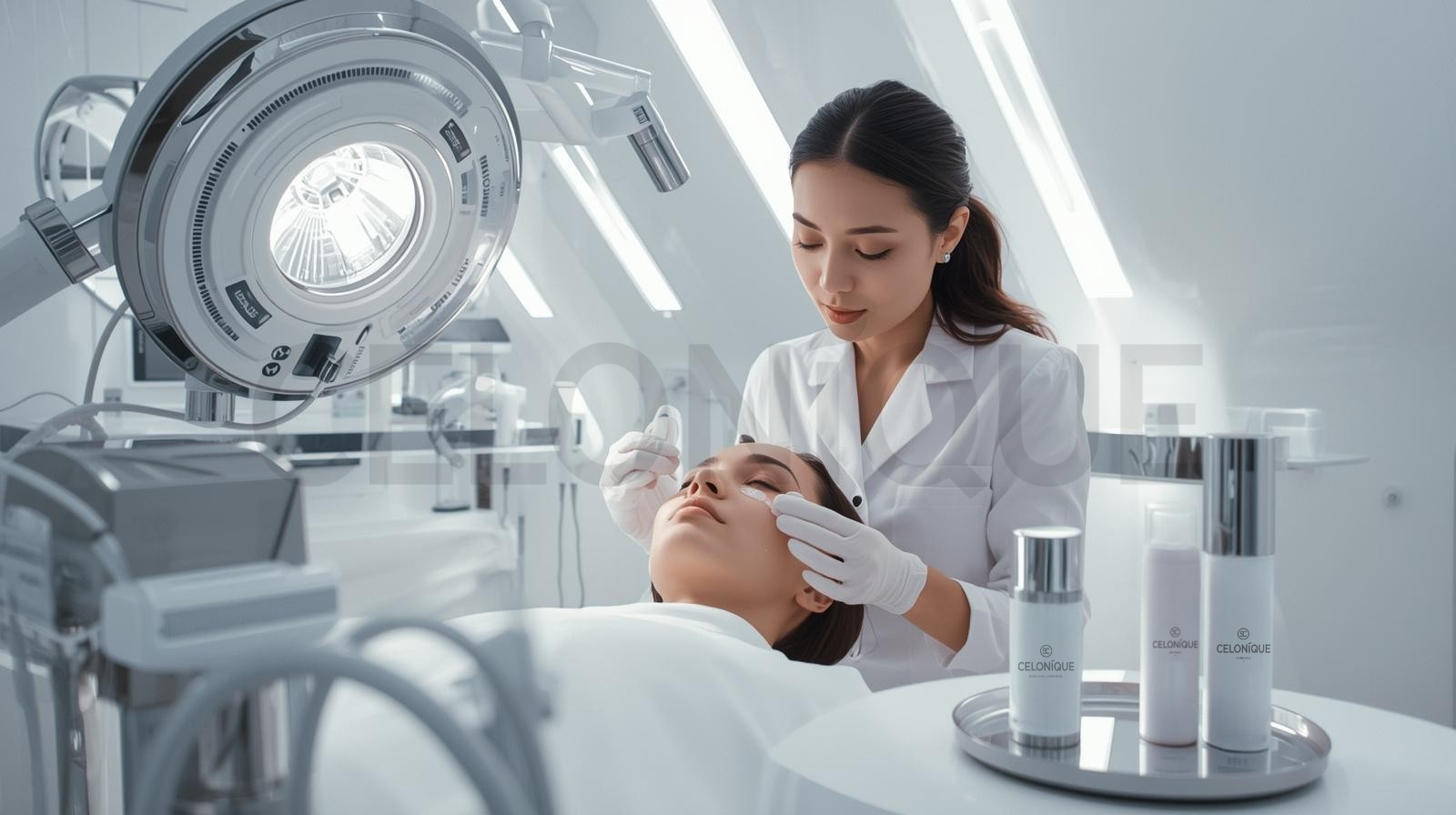
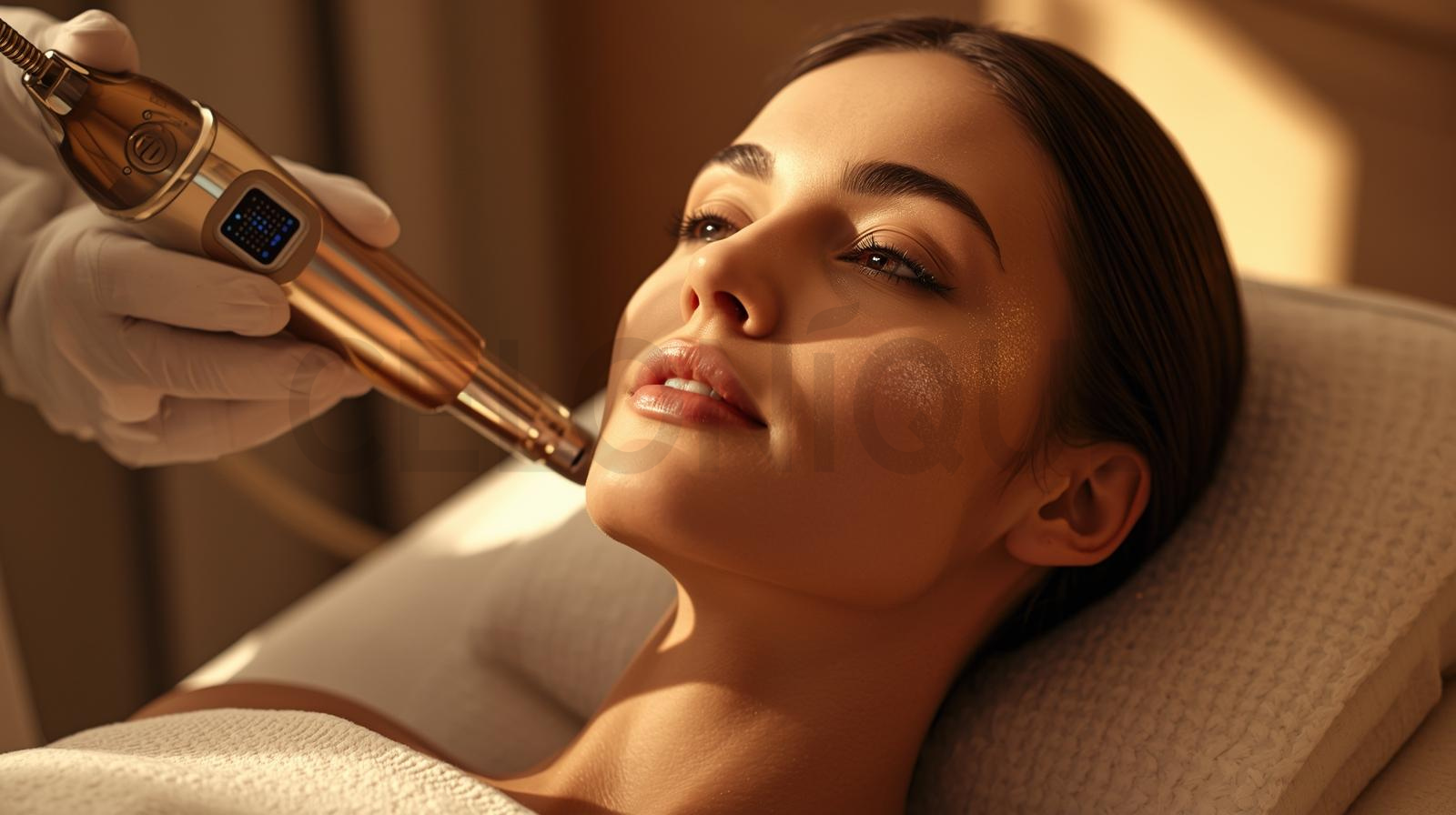
Ultrasound devices are used in professional aesthetics to support the skin during a treatment – particularly through mechanical vibrations that allow for better distribution of formulations. In many cosmetic concepts, this is described as sonophoretic support: The skin surface temporarily becomes "more receptive" without the skin barrier being permanently damaged.
Depending on the device type, there are different areas of application – from cosmetic ultrasound (superficial application) to HIFU (High-Intensity Focused Ultrasound), which is used in a different (medically oriented) context.
Further Sources (external):
2) HIFU vs. Cosmetic Ultrasound: Classification
Cosmetic ultrasound often aims to optimize the treatment experience and support the even distribution and absorption of suitable active ingredient formulations.
HIFU works – simply put – with focused energy and is used in a different framework depending on the device/application. Therefore, it is important:
- Same Product Idea, Different Device Logic: A high-quality, device-compatible serum/gel can serve as part of a professional protocol – however, the parameters and steps come from the device and its manufacturer.
- Compatibility = Formulation Design: Key factors are texture (e.g., gel/serum), conductivity/gliding film, skin feel, and aftercare – precisely what CELONIQUE was developed for.
CELONIQUE is designed as a device-assisted professional system – and can be used in professional concepts with many ultrasound devices (including HIFU environments), provided it fits into the respective treatment protocol and the user observes the manufacturer's instructions.
3) How Ultrasound Supports Skin Absorption
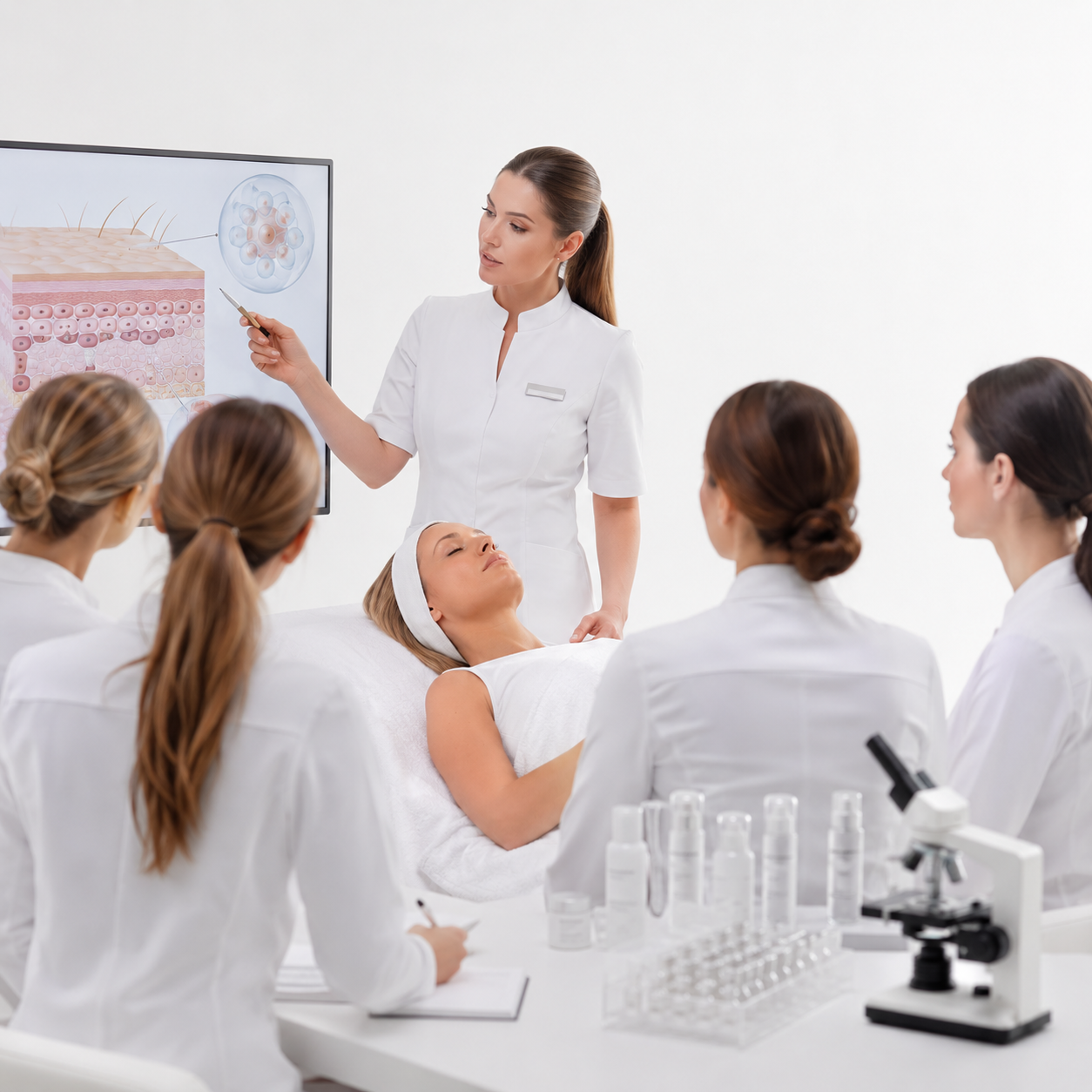
The skin possesses a highly effective protective barrier with the Stratum corneum (uppermost horny layer). In practice, this means: Many ingredients remain rather superficial with normal application.
The three effects frequently used in protocols
Mechanical Micro-Movement
Ultrasound generates very fine vibrations that support the even distribution of formulations and improve the skin's feel during treatment.
Temporarily Receptive Surface
In cosmetic concepts, it is often described that the uppermost lipid structures appear temporarily "looser," allowing suitable active ingredients to be better absorbed.
Synergy with Post-Care
Especially after device-assisted steps, targeted soothing & barrier stabilization is essential – so that the skin regenerates optimally.
This is precisely where CELONIQUE comes in: not just "good ingredients," but a professionally structured system that fits the logic of modern aesthetic devices.
4) The CELONIQUE System: Open • Deliver • Stabilize
Phase A: Preparation ("Opening Pores" in the Treatment Sense)
In professional protocols, the skin is first prepared – often through cleansing, toning, and device-assisted steps. The goal is a receptive, even surface.
Phase B: Active Ingredient Delivery with CELONIQUE
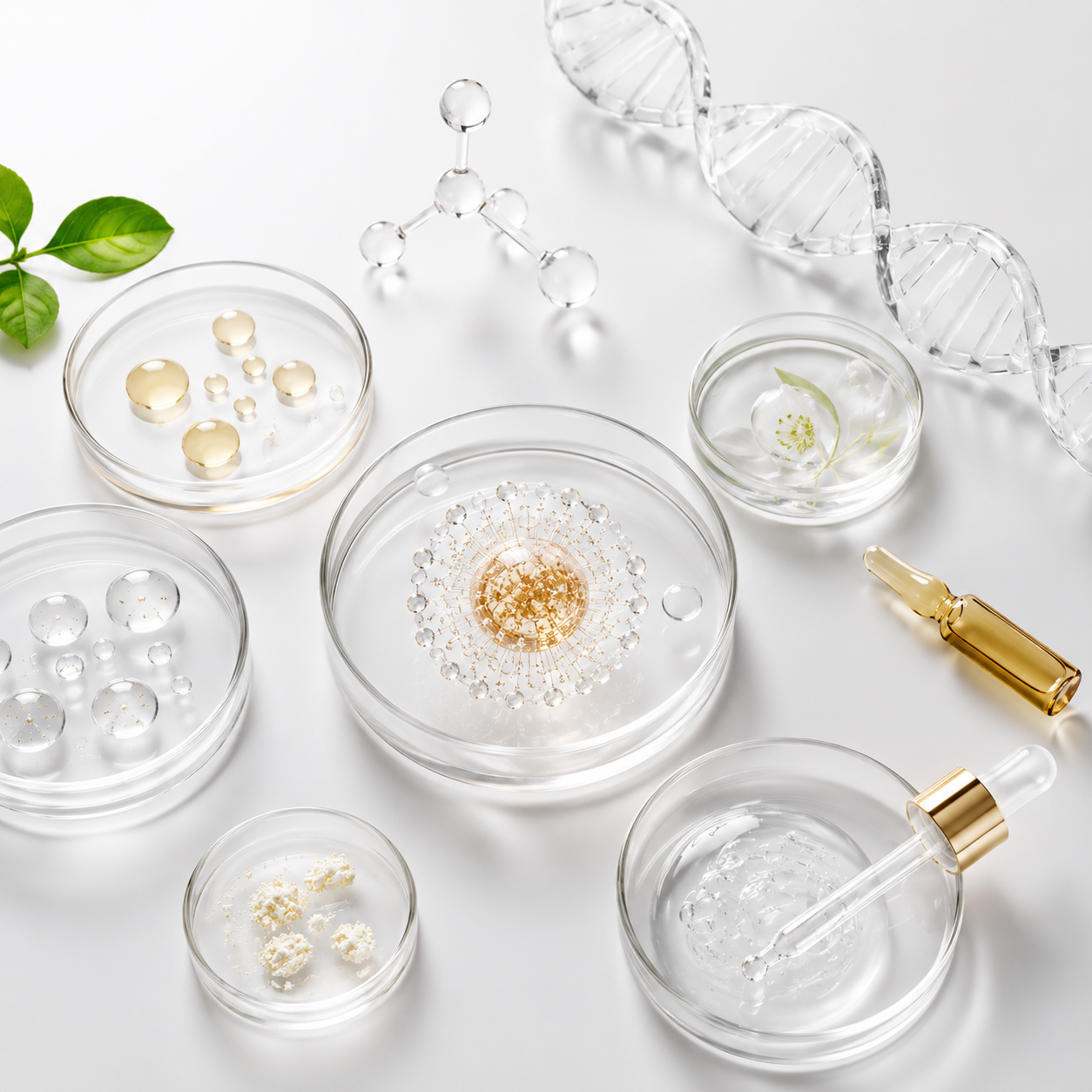
CELONIQUE works with an Exosome & Stem Cell Complex Strategy (biological signaling molecules and regenerative care approaches) specifically formulated for device-assisted treatments:
- Texture & Gliding Film: suitable for professional application with ultrasound/device heads
- Formulation Logic: developed for professional application and subsequent stabilization
- Regenerative Approach: focus on Skin-Communication & care for the skin matrix
Internal Links (CELONIQUE):
Phase C: Aftercare ("Closing Cream" – Barrier & Soothing)
After device-assisted application, targeted post-care is crucial. CELONIQUE uses a finishing cream / post-treatment care that:
- soothes the skin and stabilizes the skin's feel
- supports the barrier (keyword: "Pores closing" as a protocol step)
- completes the treatment result in the care concept
Note: "Opening/closing pores" is a common, simplified protocol language. In reality, it refers to a temporarily altered skin surface and barrier dynamic – post-care helps to bring the skin back into a calm balance.
5) Recommended Protocol (Example for Ultrasound / Device-Assisted Applications)
- Clean & Prep Gentle cleansing, toning, skin analysis.
- Device Step (Ultrasound / HIFU Environment) Performed according to device manufacturer, indication, and qualification.
- CELONIQUE Delivery Application of CELONIQUE active ingredient formulations (exosome & stem cell complex) suitable for the protocol.
- Post-Treatment "Closing" Finishing cream / soothing aftercare for skin barrier stabilization.
- Home Care Recommendation Care plan to maintain the result (e.g., tailored routine, UV protection, regenerative care).
For Partners & Studios
If you would like to integrate CELONIQUE as a protocol system in your practice/studio: Contact us or visit the Professional page.
6) Safety & Notes
- Device Parameters: Always follow manufacturer specifications (frequency, intensity, duration, contraindications).
- HIFU: Medically oriented applications exclusively by qualified users.
- Patch Test: Recommended for sensitive skin and new products.
- No Healing Promises: Cosmetic products support care & regeneration, they do not replace medical treatment.
FAQ
Is CELONIQUE compatible with all ultrasound devices – including HIFU?
CELONIQUE is designed as a device-compatible professional system and can be used in many ultrasound concepts. For HIFU, the application and sequence must match the respective device and protocol. Manufacturer instructions, indication, and qualification are crucial.
Why are exosomes and stem cell complexes interesting in device-assisted treatments?
Modern regenerative cosmetics focus on skin communication and high-quality care of the skin environment. Device-assisted protocols can support the even distribution and absorption of suitable formulations.
Why is a "Closing Cream" needed after treatment?
After more intensive steps, the skin is often more sensitive. Targeted post-care soothes, supports the barrier, and ensures a more stable skin feel – so that the treatment is properly "closed."